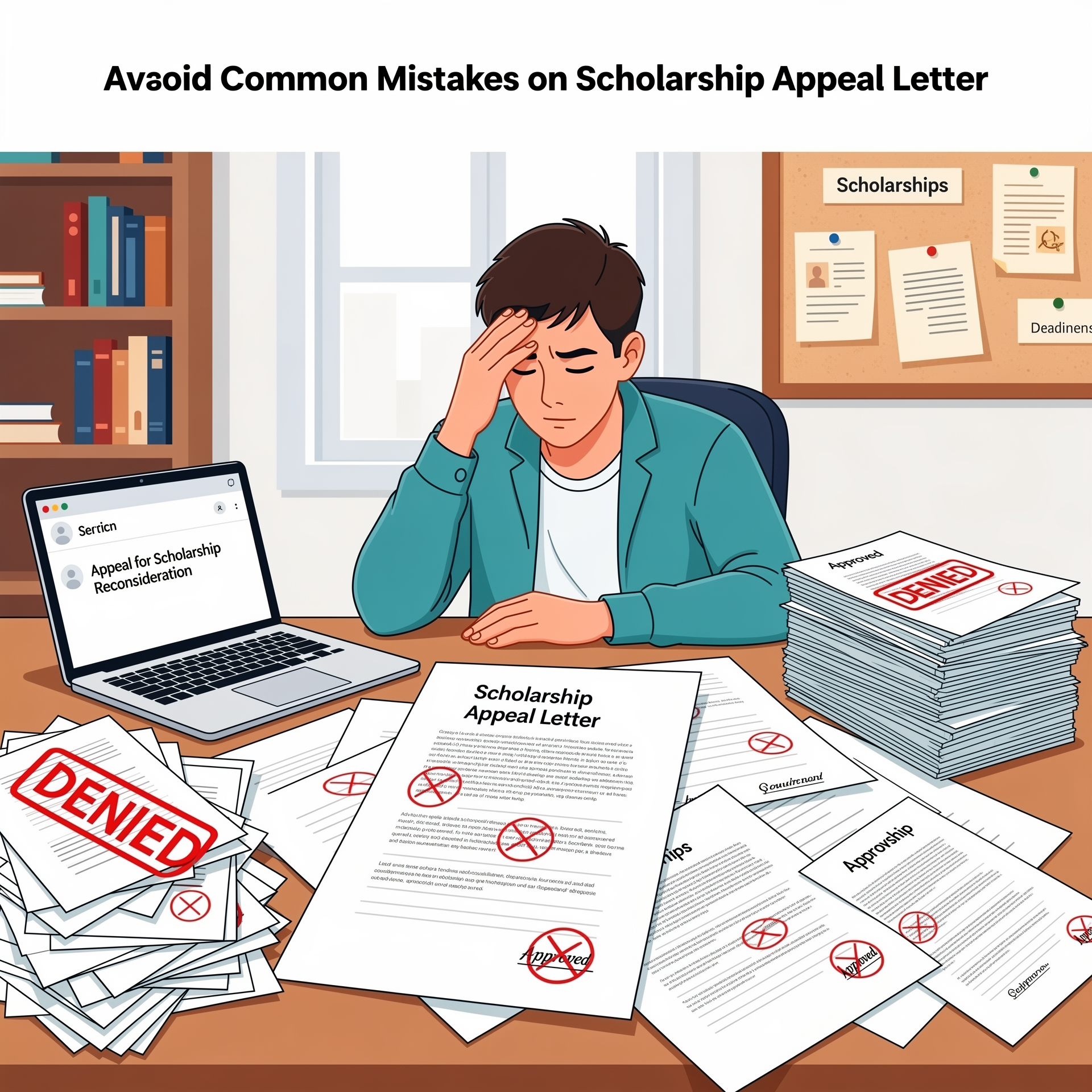
Scholarship appeal letters are a crucial lifeline for students whose initial financial aid applications have been denied. These documents represent a formal, persuasive request for a reconsideration of your eligibility, offering a chance to secure funding that can dramatically alter your academic trajectory. However, the process is nuanced, and many applicants unknowingly undermine their appeals with common, yet costly, errors. Understanding these pitfalls and how to avoid them is essential for crafting an appeal that stands out for its professionalism and compelling argument, rather than one that gets dismissed for its shortcomings.
The Structural and Tone Mistakes That Derail Appeals
A successful appeal letter must adhere to formal business correspondence standards, yet many students treat it as a casual email or an emotional plea. This foundational error often manifests in several specific ways.
Failing to Adhere to Professional Formatting
One of the most immediate red flags for a scholarship committee is an unprofessional presentation. An appeal letter must include a formal header with your contact information, the date, and the recipient’s details. It should be addressed to the specific committee or individual named in your denial letter, not to a generic “To Whom It May Concern.” Using a vague salutation suggests you haven’t done basic research, undermining your seriousness. The letter itself should be concise, typically no more than one page, and use clear paragraphs with a logical flow: introduction, body (explaining your case), and a polite conclusion. Sending a sprawling, poorly formatted document creates a negative first impression that is hard to overcome.
Letting Emotion Overpower Fact
While your appeal is inherently personal, its tone must remain respectful and fact-based. A common mistake is writing from a place of anger or accusation, using language that blames the committee for an unfair decision. This approach is almost universally counterproductive. Similarly, an overly sentimental letter laden with dramatic phrasing can come across as manipulative rather than genuine. The committee is evaluating your case on objective grounds; your goal is to provide new, substantive information or context they may have missed. Frame your appeal around clear facts, documented changes in circumstances, or additional achievements, and let those facts generate empathy, rather than demanding it through emotional language.
Critical Content Errors: What to Exclude and Include
Beyond tone and structure, the actual content of your appeal letter is where the most substantive mistakes occur. These errors often relate to missing crucial information or including irrelevant details that weaken your argument.
Neglecting to Reference the Original Decision
Your appeal is a direct response to a specific denial. A costly oversight is writing a generic letter that doesn’t acknowledge the original decision or its stated reasons. You should explicitly mention the scholarship you applied for, the date of the denial notice (if known), and respectfully state that you are appealing that decision. This establishes context and shows you are engaged in a formal process. If the denial letter provided a reason—even a generic one—you should directly address it. For example, if it cited “incomplete financial information,” your appeal should center on providing that complete information with explanations.
Omitting New, Compelling Information
The core purpose of an appeal is to present information not available or not fully considered during the initial review. Simply resubmitting your original application materials and pleading “please reconsider” is ineffective and demonstrates no grounds for an appeal. You must introduce new, relevant data. This could include: updated financial documentation showing a change in family income, a recent academic honor or award, a clarification of an ambiguous point from your original application, or additional letters of support. The mistake is assuming the committee will re-evaluate the same information; they need a tangible reason to do so.
Making Unsubstantiated Claims or Excessive Promises
Another common error is making grand, unverifiable statements about your future potential or your dire situation without backing them up. Claiming you will “definitely become a world-changing researcher” if funded is subjective and unconvincing. Instead, focus on concrete past achievements and current plans that demonstrate your trajectory. Similarly, overly dramatizing your financial hardship without providing specific, documented evidence can undermine your credibility. Let official documents, like tax returns or medical bills, speak for you. Avoid hyperbolic language and stick to clear, measurable facts.
Two seemingly minor mistakes can irrevocably damage an appeal’s credibility: poor proofreading and improper follow-up.
Submitting a Letter with Grammatical Errors
A scholarship appeal is a formal document representing your academic capabilities. Typos, grammatical mistakes, and awkward phrasing suggest carelessness and a lack of respect for the process. They distract the reader from your message and implicitly argue against your readiness for scholarly rigor. Always proofread meticulously, use spell-check, and have a trusted mentor or advisor review the letter before submission. This step is non-negotiable.
Not Following Official Procedures or Being Patient
Finally, disregarding the committee’s specific appeal procedures—such as deadlines, submission methods (email vs. postal mail), or required supplementary materials—can void your appeal entirely. Always follow the instructions provided in your denial correspondence or on the scholarship website. Furthermore, after submitting, a common mistake is bombarding the committee with follow-up emails or calls. Respect their review timeline. A single, polite inquiry after a reasonable period is acceptable; persistent communication can be seen as harassing and may negatively impact your case.
By avoiding these common mistakes—maintaining professionalism, focusing on new facts, and adhering to procedure—you transform your appeal letter from a mere request into a powerful, persuasive document. It becomes a testament to your resilience and your meticulous approach to your education, qualities that scholarship committees actively seek to support.